Repair at school
Repair Together helps you integrate repair into your school! Put the environment at the heart of your educational concerns and raise awareness among your students.
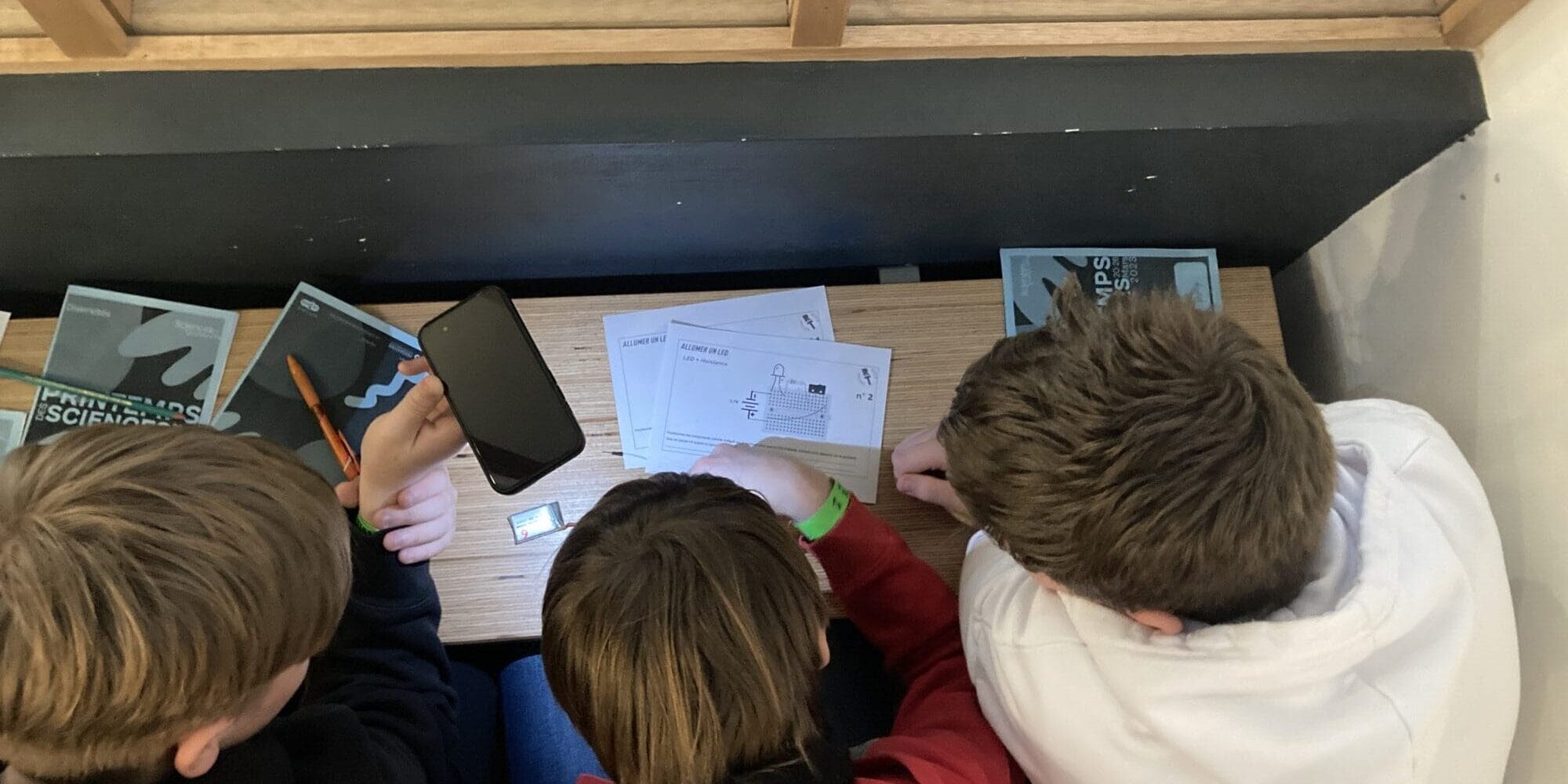
Bring repair to your school!
Build team spirit and a sense of togetherness.
Put technical and multidisciplinary skills into practice.
Take part in a project with a significant ecological and social impact.
Brussels-Capital Region
Repair Together offers support services backed by Brussels Environment.
If you have any questions about the Brussels Environment support services, please contact: info@repairtogether.be
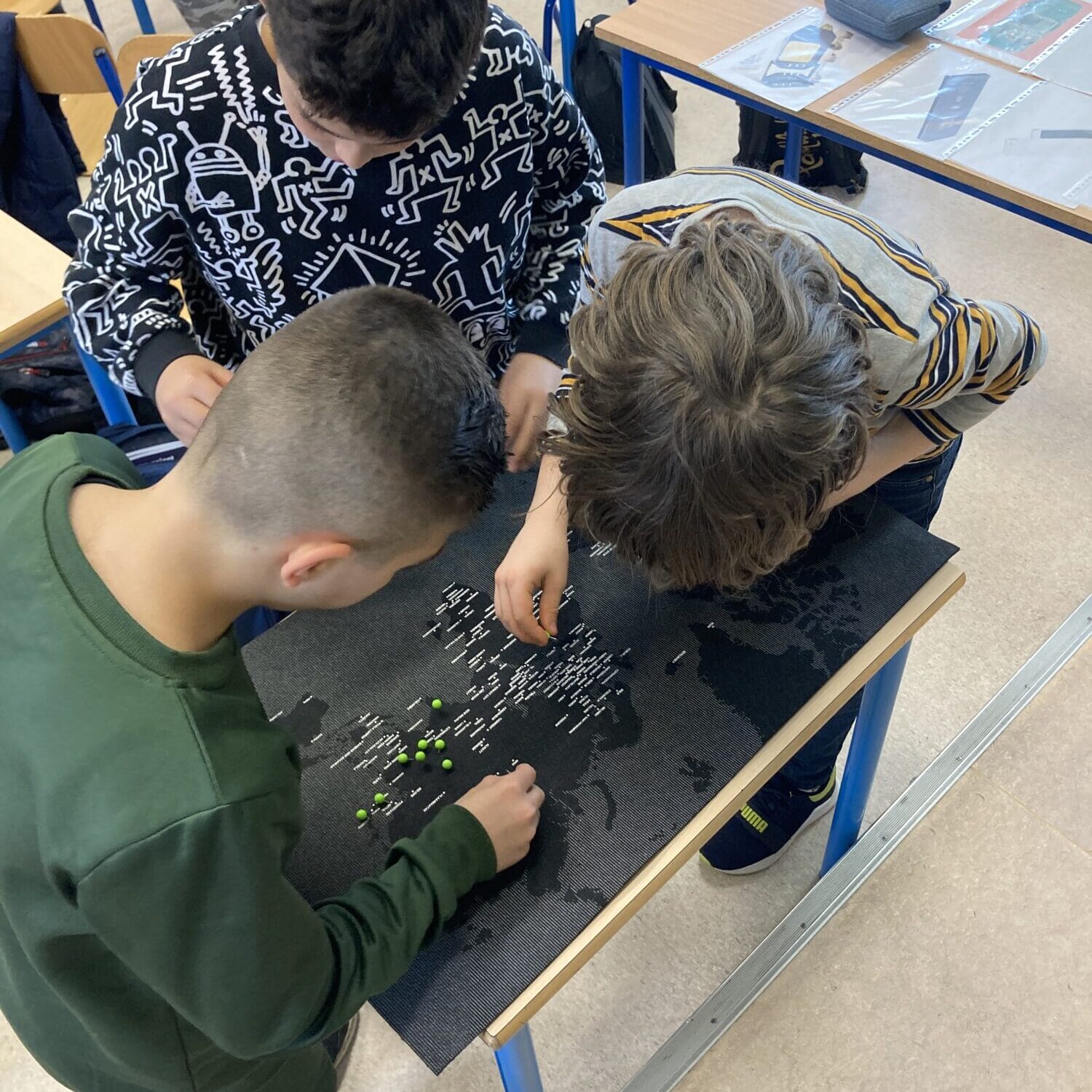
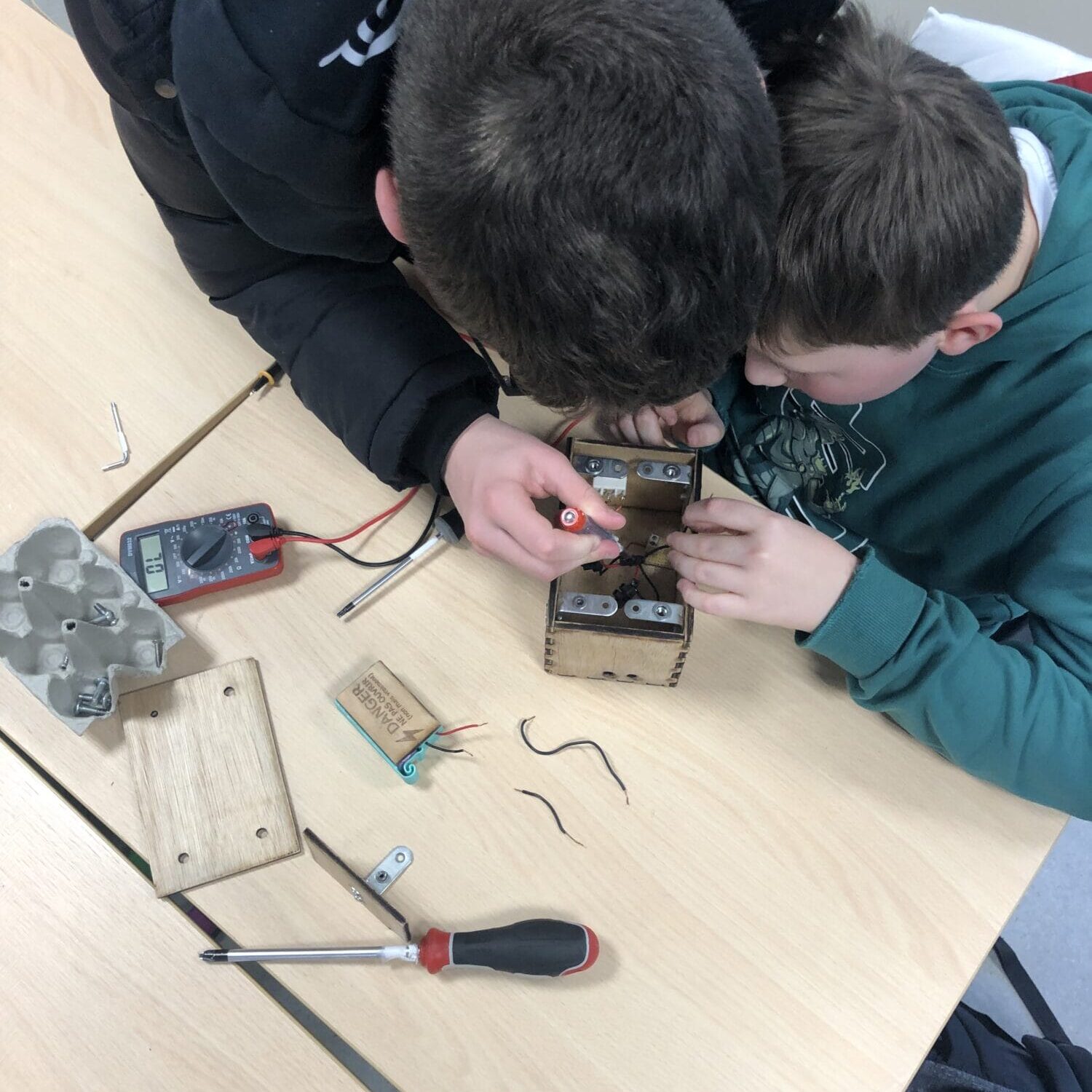
Discover the circular economy, try your hand at repairing with our educational kits, explore the inner workings of a smartphone, show your creativity and resourcefulness by opening the repair escape box, and visit our workshop. You too have what it takes to become the repairers of tomorrow!
Who is it for?
- 1 class group of up to 25 students
- From 5th grade to 2nd year of secondary school
- 1 teacher, supervisor, mentor
This offer does not include workshops for eco-teens. Contact info@repairtogether.be to find out about our other workshops and arrange for customized support.
Why?
- To introduce repair through practical, cross-disciplinary workshops.
- To become part of the circular economy, as opposed to the linear model.
- To introduce the challenges and world of repair, Repair Cafés.
- To reflect and act as a group during an educational activity with an environmental impact.
- To reintroduce repair into everyday life.
How will it work?
We offer a series of three workshops to choose from a catalog of four activities. Each workshop lasts two hours (two 50-minute sessions). At least one workshop takes place in our Repair Lab. The schedule of activities will be decided jointly.
The workshop cycle can be supplemented by support in setting up a Repair Café in your school (more information at the bottom of the page).
Our workshops
To take things further, the above workshops also enable students to develop skills and knowledge that are often covered in the FMTTN course:
- understanding electrical assemblies,
- developing and following a repair protocol,
- various technical skills (screwing, testing, connections, etc.)
- discovering tools: multimeters, disassembly tools, etc.
To learn how a device works, there's nothing like opening it up, taking it apart, and discovering its components.
Across the board, our activities also enable participants to:
- question the environmental and social impact of our objects
- discover the circular economy by being an active participant in it
What are you committing to?
- To participate in three workshops, including at least one in our Repair Lab in Ixelles.
- To follow the cycle with a single class group.
- To integrate the theme into your course program and bring it to life with your students outside of the facilitator's sessions.
- To respect the appointments made and what has been agreed upon in consultation with your facilitator.
I thought it was great! Being able to actually practice, to interact with individuals in need, to share your passion with others who know nothing about computers.
Adam, student in 5th grade computer science
I want to set up a Repair Café at my school during the support period.
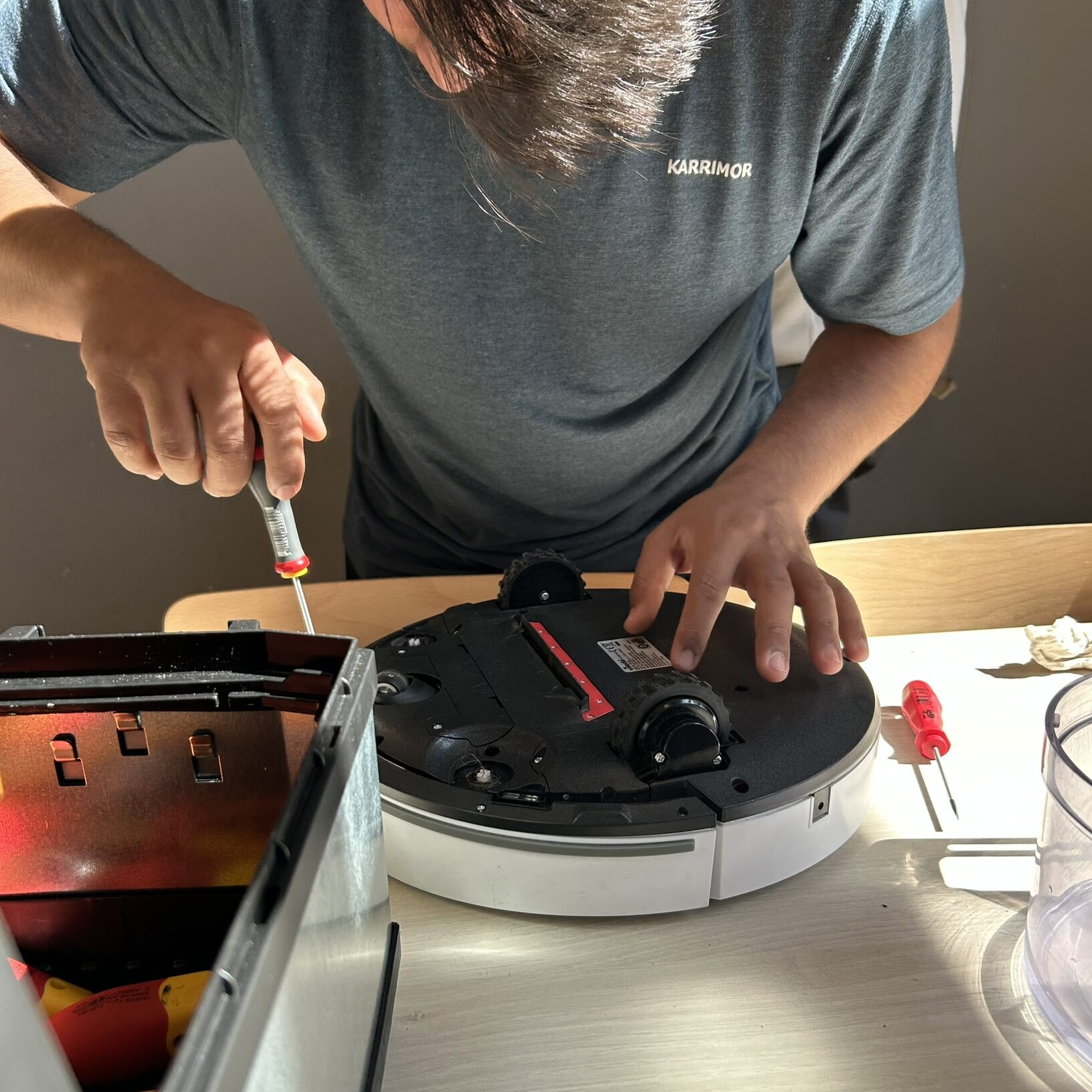
The introductory workshop series can be complemented by support in setting up a Repair Café at your school: a half-day dedicated to repairs, either during class time, as an extracurricular activity, or during a school event. The Repair Café will be open to all students and teachers at the school, as well as staff members, parents, and possibly local residents. It will be organized by the class and will call on the skills and volunteer help of (grand)parents, neighbors, and teaching staff for repairs.
This project will be led by the school through a teacher in charge and supported by Repair Together.
In this case, Repair Together offers, in addition to the workshop cycle:
- Project support: brainstorming with students to create a Repair Café at school, included in the workshop cycle
- A starter kit full of tips and tricks for organizing your Repair Café
- Communication materials (posters, flyers, banners, etc.)
- Small equipment (pens, badges, provision of a safety differential, etc.)
- Communication assistance (call for volunteers, etc.)
If you want to set up a Repair Café at your school, there are responsibilities and commitments to fulfill.
I want to set up a Repair Café at my school in the Walloon region.
Repair Together offers support tailored to the realities of your primary or secondary school, whether it be general, technical, or vocational education. Are you excited about the idea of a Repair Café in your school? Would you like to involve your students in setting it up but aren't sure where to start? We are here to help and offer our expertise!
Are you ready to get started? Do you have any questions?
It was very interesting to see how we can repair something and what positive consequences this has.